Reconstruction
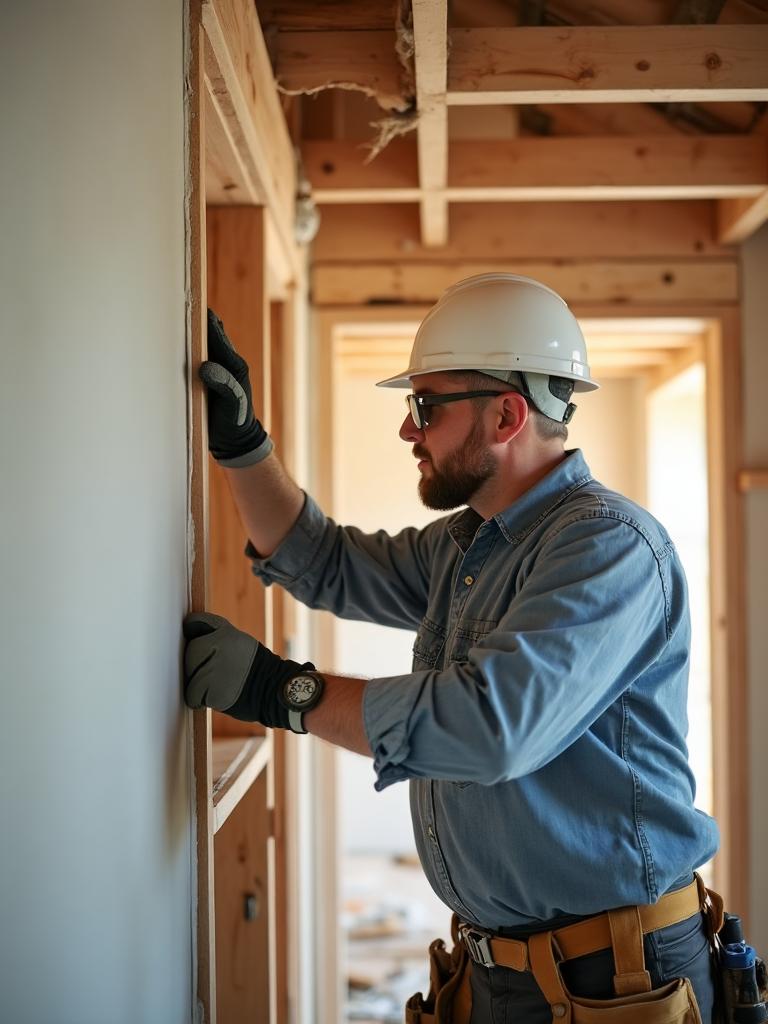
After mitigation is complete, structural and finish components may require rebuilding to return the property to its pre-loss condition. Properties that remain partially reconstructed are exposed to weather, code compliance issues, and continued deterioration.
Coordinated reconstruction following mitigation reduces project duration and maintains continuity in insurance documentation.
This information is general in nature. A site inspection is required to determine scope and conditions. See our Restoration Disclaimer.
How We Resolve It
Damage Assessment
Thorough structural evaluation and scope documentation to establish reconstruction requirements and timeline.
Structural Framing
Rebuilding of load-bearing walls, roof systems, and floor structures according to current building codes.
Systems Restoration
Reinstallation of electrical, plumbing, and HVAC systems with code-compliant materials and methods.
Finishing & Closeout
Installation of drywall, flooring, paint, trim, and fixtures to match or exceed original specifications.
Final Inspection
Comprehensive walkthrough and quality verification to confirm all work meets standards and client expectations.
How Reconstruction Connects to the Mitigation Phase
Reconstruction begins where mitigation ends. The scope of structural repairs is determined during the mitigation phase based on the extent of material damage documented through moisture readings, structural assessments, and photographic evidence. This continuity ensures that no work is duplicated and that insurance documentation flows seamlessly from one phase to the next. Large residential properties and custom homes often require reconstruction coordination across extended timelines, with insurance documentation maintained at each stage to support ongoing carrier communication.
What Reconstruction Includes After Property Damage
Reconstruction covers structural framing, systems restoration including electrical, plumbing, and HVAC, and finish work such as drywall, flooring, paint, and trim. All work is performed to meet or exceed current building codes and the original specifications of the property.
How Insurance Documentation Is Maintained During Reconstruction
Documentation generated during mitigation — including scope reports, moisture logs, and photographic records — is carried forward into the reconstruction phase. Progress documentation continues throughout reconstruction to maintain a complete project record for insurance coordination.
What Does the Reconstruction Process Look Like After Damage?
Reconstruction after property damage follows a defined sequence: structural assessment, scope development aligned with insurance estimates, material selection, phased repairs, quality verification, and final walkthrough. Each phase is documented and communicated to the insurance carrier. The goal is to restore the property to its pre-loss condition while maintaining full alignment with the approved scope of work.
Frequently Asked Questions
Should reconstruction start before the insurance claim is finalized?
Emergency stabilization and mitigation should begin immediately regardless of claim status to prevent secondary damage. Reconstruction typically begins after the scope has been reviewed and approved by the insurance carrier, though interim repairs may be authorized to protect the property.
How is reconstruction coordinated with mitigation?
Reconstruction is planned during the mitigation phase so that the transition is seamless. The mitigation team documents all material removal and structural conditions, which the reconstruction team uses to plan the rebuild. Both phases share documentation and insurance coordination under a single project structure.
What building codes apply during reconstruction?
All reconstruction work is performed in compliance with current local, state, and federal building codes. When existing structures are rebuilt, they are brought up to current code requirements, which may include updated electrical, plumbing, and structural standards.
If your property has been affected, starting the case early protects the recovery process. We coordinate mitigation, contents handling, and reconstruction as needed. You'll receive a case folio immediately. Related services: Water Damage Recovery, Pack-Out Services.