Water Damage / Flood
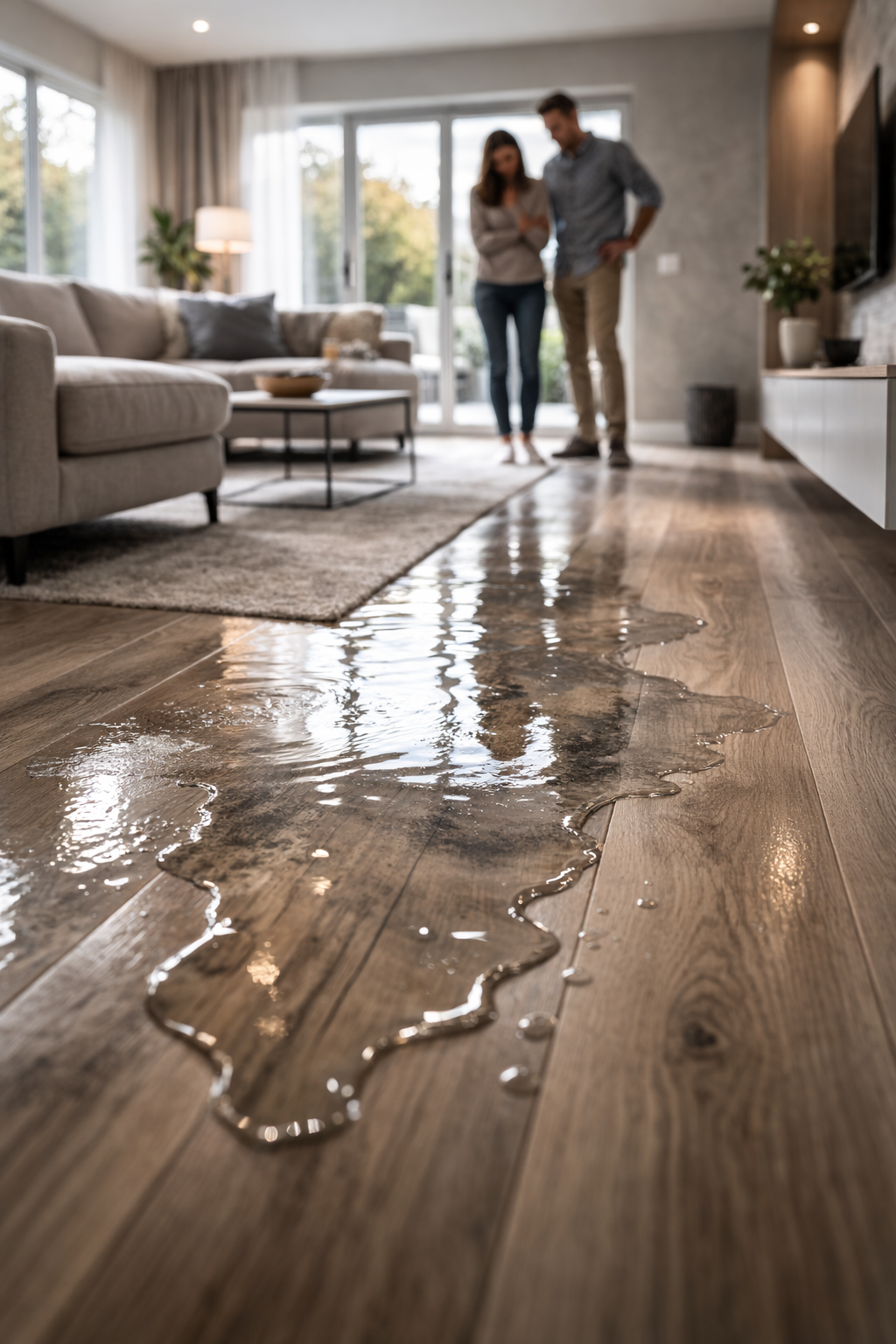
Water intrusion from plumbing failures, storms, or flooding saturates building materials and interior finishes. Moisture that remains in structural components leads to secondary biological growth and material deterioration. Prompt extraction and drying protect the structure and simplify subsequent repairs.
Structural conditions should be assessed promptly. Early documentation protects the recovery process.
This information is general in nature. A site inspection is required to determine scope and conditions. See our Restoration Disclaimer.
How We Resolve It
Inspection & Assessment
Moisture mapping and damage classification using thermal imaging and hygrometry to determine scope and category.
Water Extraction
Rapid removal of standing water using truck-mounted and portable extraction equipment.
Structural Drying
Strategic placement of dehumidifiers and air movers to achieve documented drying goals within affected materials.
Cleaning & Decontamination
Antimicrobial application and content cleaning to prevent biological growth and restore affected items.
Structural Restoration
Rebuilding of damaged walls, floors, and systems to return the property to its original condition.
What Happens After Water Damage Mitigation
Once standing water is extracted and structural drying is complete, the affected areas are assessed for material damage that may require removal and replacement. If building components such as drywall, flooring, or insulation have been compromised beyond drying, the project transitions into reconstruction to restore the property to its pre-loss condition. In large residential water losses, the scope of affected materials often extends across multiple rooms and building systems, requiring coordinated assessment and phased reconstruction.
How Contents Are Protected During Water Damage Restoration
During water mitigation, personal belongings and furnishings in affected areas are at risk of secondary damage from moisture, equipment operation, and construction activity. A coordinated pack-out process documents, packs, and transfers contents to climate-controlled storage until the property is fully restored and ready for return.
How Reconstruction Is Coordinated After Water Mitigation
Reconstruction after water damage is planned as part of the same recovery project, not as a separate engagement. This ensures that documentation, insurance coordination, and project timelines remain continuous from initial extraction through final finish work.
What Happens After Water Damage Mitigation?
Once water is extracted and the structure is dry, the recovery shifts to assessment and reconstruction. Damaged materials — drywall, flooring, insulation — are documented and removed. A scope of work aligned to insurance requirements is developed, and reconstruction begins. This transition is managed as a single continuous process so nothing is lost between mitigation and rebuild.
Frequently Asked Questions
What happens if additional damage is discovered during drying?
If moisture readings or visual inspection reveal damage beyond the initial scope, the affected areas are documented and the scope is updated accordingly. Insurance coordination is adjusted to reflect the expanded scope before additional work begins.
Should reconstruction start before the insurance claim is finalized?
Mitigation should begin immediately to prevent secondary damage. Reconstruction timing depends on the scope approval process with the insurance carrier. Documentation from the mitigation phase supports the reconstruction scope and is shared with the carrier as part of the claims process.
Who manages reconstruction after water mitigation?
Reconstruction is managed as a continuation of the same recovery project. The mitigation team coordinates directly with the reconstruction team to ensure documentation continuity, consistent quality standards, and alignment with insurance requirements.
If your property has been affected, starting the case early protects the recovery process. We coordinate mitigation, contents handling, and reconstruction as needed. You'll receive a case folio immediately. Related services: Pack-Out Services, Reconstruction.